

Anti-Inflammatory Recipes
An anti-inflammatory recipe centres foods with evidence for lowering inflammatory markers (oily fish and other omega-3 sources, extra-virgin olive oil, colourful vegetables, berries, nuts, and spices such as turmeric and ginger) while avoiding refined carbohydrates and industrial trans fats.
Chronic low-grade inflammation drives most age-related disease. These recipes lean on the foods with the strongest evidence: oily fish, olive oil, colourful plants, berries and spices such as turmeric and ginger.
Last updated · 2 recipes
 Maurice Lichtenberg
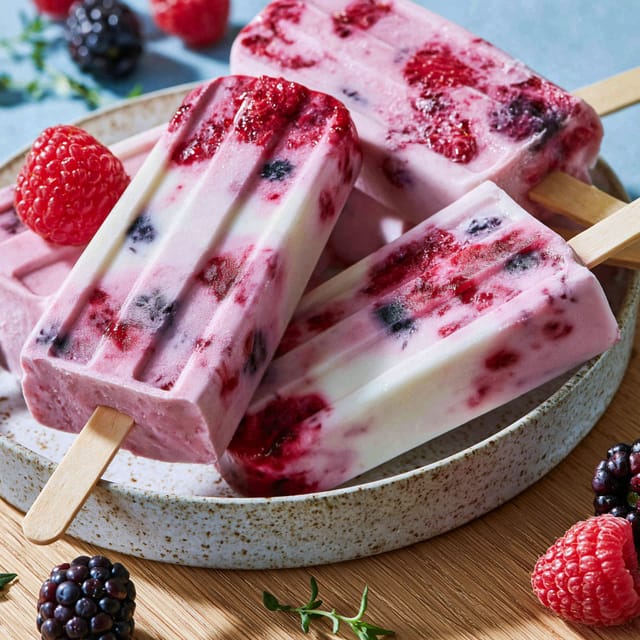
 MHomemade Popsicles with Yogurt, Berries, and Honey Dessert4g protein · 92 kcal · 10 min
 Tarani
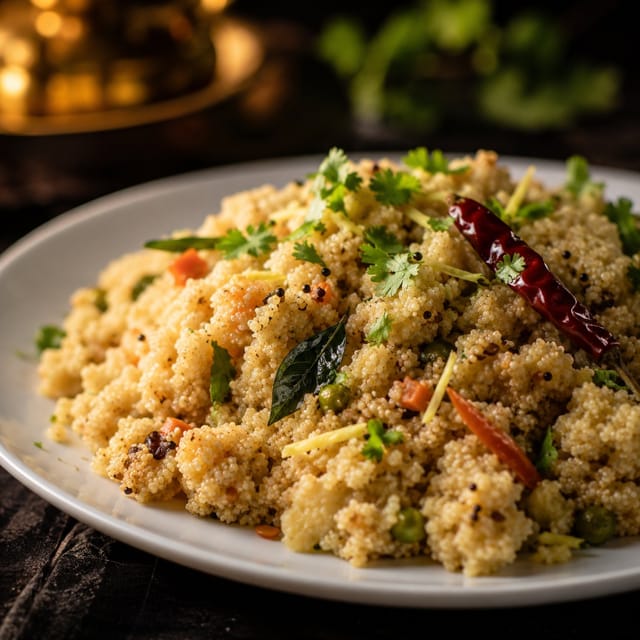
 TMillets upma9g protein · 410 kcal · 35 min


FAQ
- What foods are most anti-inflammatory?
- Oily fish (omega-3s), extra-virgin olive oil, leafy greens, berries, nuts, and spices like turmeric and ginger have the best evidence for lowering inflammatory markers.
- Is an anti-inflammatory diet the same as Mediterranean?
- They overlap heavily: the Mediterranean pattern is the most-studied anti-inflammatory way of eating. The PREDIMED trial linked it (with extra-virgin olive oil or nuts) to roughly 30% fewer major cardiovascular events.
- What is 'inflammaging'?
- Researchers use the term for the chronic, low-grade inflammation that rises with age and is associated with cardiovascular disease, dementia and frailty. It is one reason anti-inflammatory eating patterns are studied for healthy aging.
- How fast can diet influence inflammation markers?
- Intervention studies typically measure changes in markers like CRP and IL-6 over weeks to months of a consistent pattern. It is a slow, cumulative effect, not a single 'detox' meal.